
Changing migration policy and helping refugees enter employment

Rethinking routes into employment and making targeted use of people's potential
Current discussions about migration and skilled labour make one thing clear: Germany needs workable approaches to helping refugees enter employment. At the same time, companies face the challenge of filling vacancies and retaining qualified staff over the long term.
Our approach: putting integration into practice
We bring together training, integration and workplace practice. Instead of abstract concepts, we develop practical solutions for people and companies. Our work focuses on where integration takes shape: in everyday working life and in direct access to employment.
Our contribution: practical solutions rather than theory
We support sustainable integration into employment through training, individual support and close cooperation with companies.
Our areas of focus:
- Preparation for employment and developing basic skills
- Specialist vocational training (for example in healthcare)
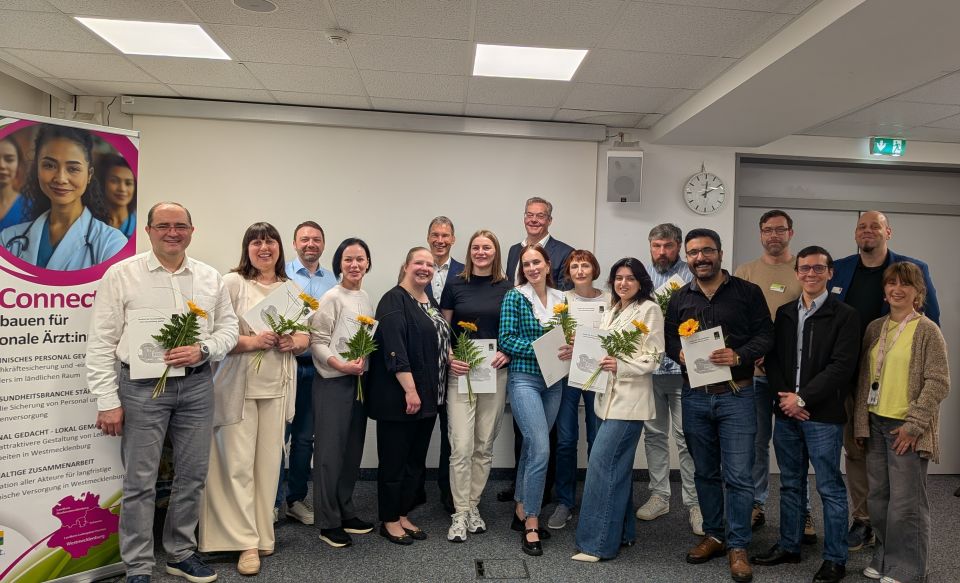
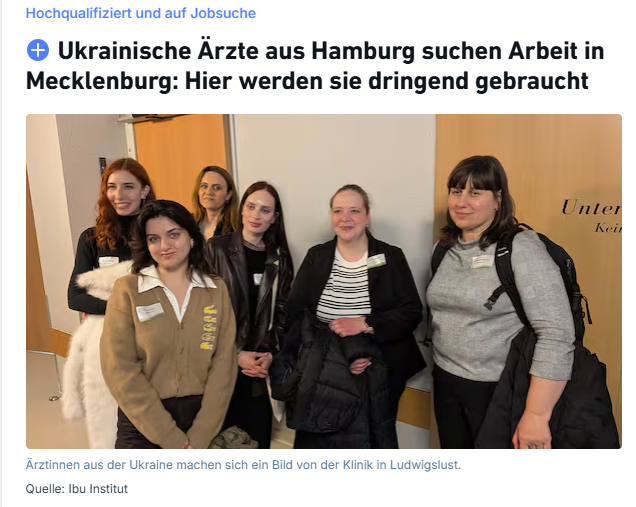
- Supporting international professionals (for example through MedConnect)
- Advising companies on diversity and securing skilled staff
- Continuing education and targeted skills development
We encounter the barriers described in the DIHK article, such as language barriers, lack of guidance and structural complexity, in our daily work. At the same time, we see that: Integration succeeds when training, individual support and inclusion in the workplace are considered together.
This is where our tailored programmes come in, addressing different starting points and sectors.
Working together to secure skilled staffIntegration into employment is a shared process. Companies, skilled professionals and institutions all benefit from approaches that work.
A recent DIHK article outlines the current situation and the barriers that remain:
Author: Anne Courbois
Source: Deutsche Industrie- und Handelskammer (DIHK)